
Oral surgery at AS-Dent Studio
Dental surgery involves procedures performed when standard conservative treatment is not sufficient. It includes, among other things, tooth extraction, treatment of inflammations, management of retained teeth and preparation of the oral cavity for further prosthetic or implant treatment. of retained teeth and preparation of the oral cavity for further prosthetic or implant treatment.
At AS-Dent Studio, each treatment is preceded by a consultation, clinical assessment and - when necessary - an imaging diagnostics. In this way, the treatment is planned individually and the patient receives clear information about the course of treatment, possible stages and recommendations after the visit.
When is a surgical consultation needed?
Surgical consultation is indicated when a problem arises that requires a more thorough assessment or surgical intervention. It may relate to a tooth that can no longer be safely preserved, recurrent inflammation, pain, swelling or the need to prepare the patient for the next stages of treatment.
During the visit, the doctor assesses the condition of the oral cavity, analyses the records or performs diagnostics on site, discusses possible solutions and qualifies the patient for appropriate treatment. The aim is a treatment planned in a predictable manner, without haste and with full discussion of next steps.
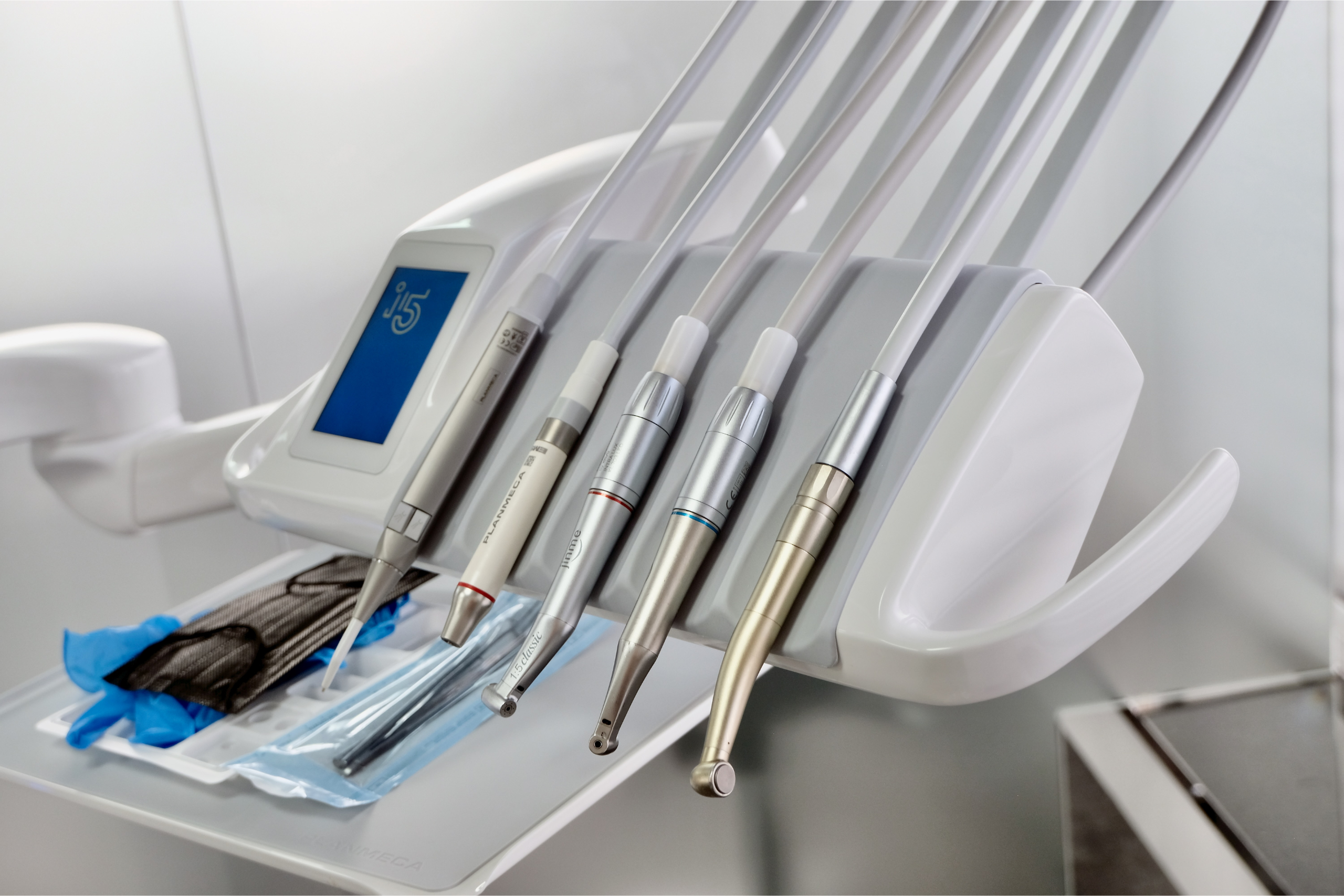
In what situations is it worth seeing a dental surgeon?
Surgical consultations most often qualify for problems that require a thorough diagnostic assessment of anatomical conditions and planning of safe surgical treatment.
teeth that need to be extracted for medical reasons
retained or problematic teeth
pain, swelling, inflammation or recurrent discomfort
the need to prepare the oral cavity for implants or prosthetics
the need to assess gingival, bone or oral tissue changes
situations requiring an individual treatment plan
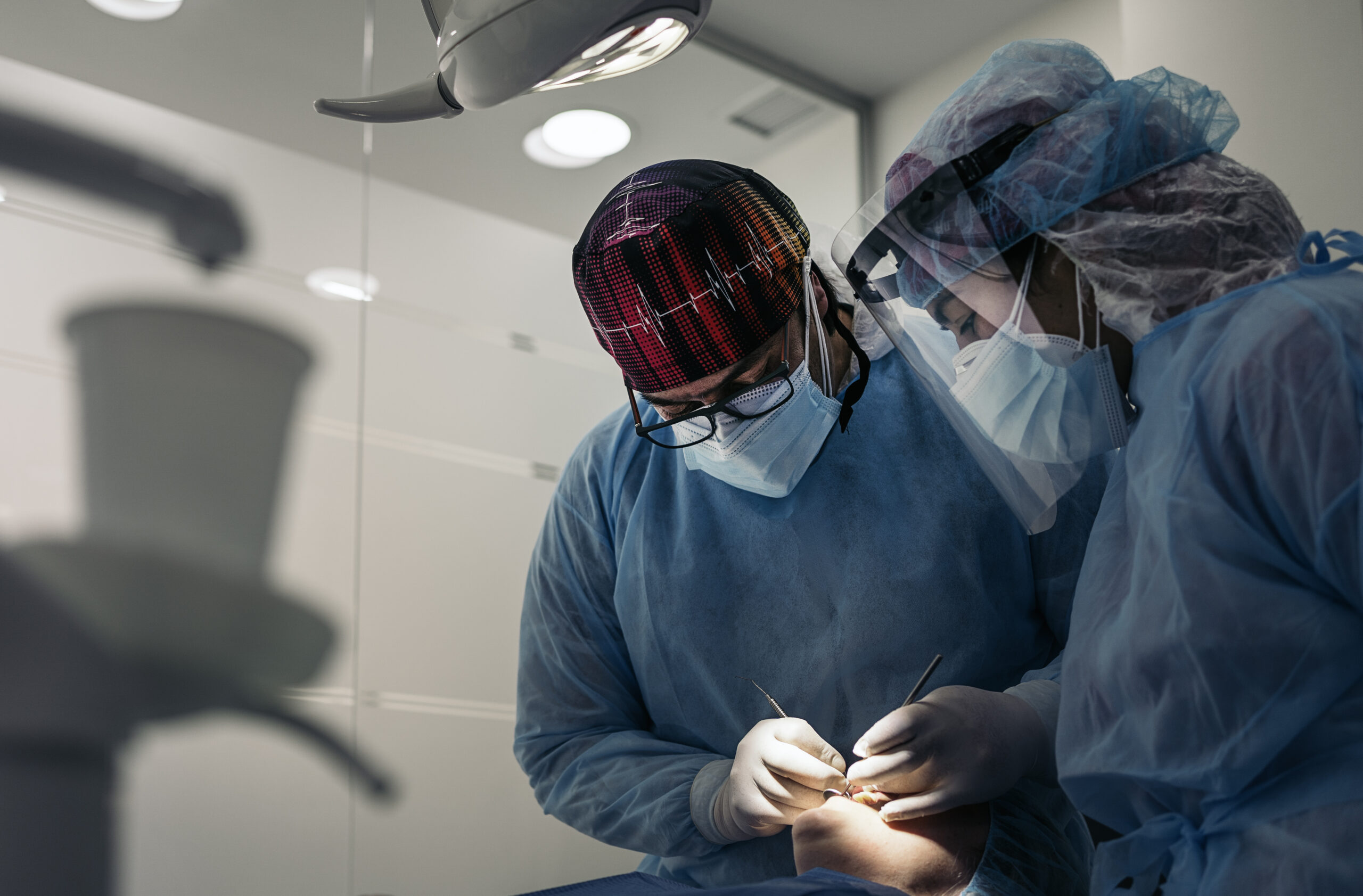
Thorough diagnosis and calm discussion of the procedure
Surgical treatment requires precise preparation. Before surgery, we analyse the condition of the tooth, of the surrounding tissues and anatomical conditions. If necessary, we use diagnostic imaging, to plan the procedure as accurately as possible and reduce the risk of unforeseen situations.
The patient is also given recommendations on how to prepare for the procedure and what to do afterwards. We explain what healing may look like, when to come in for a check-up and what to look out for in the in the first few days after the appointment.
What is the surgical procedure like?
Each case may proceed differently, so the scope of treatment is always determined on an individual basis. The diagram below shows the general way of working in dental surgery.
Consultation and qualification
Assessment of the problem, discussion with the patient, analysis of symptoms and indications for surgical treatment.
Diagnostics
If necessary, performing or analysing imaging studies to accurately plan the procedure.
Treatment
Carry out treatment according to the agreed plan, respecting safety and aseptic principles.
Recommendations and control
Discuss post-procedure management, home recommendations and a possible follow-up visit.
Treatment conducted with an emphasis on precision and comfort
Surgical procedures in dentistry require experience, adequate preparation and clear communication with the patient. We therefore discuss the indications, possible alternatives and recommendations before starting treatment, which are important for proper healing.
Our aim is not only to remove the source of the problem, but also to prepare the patient for further treatment, if it is needed - for example, prosthetic restoration, periodontal treatment or implantology.
Assessment of indications for surgery based on examination and diagnosis.
The patient knows what the action plan is and what to expect.
Clear information on healing, hygiene and follow-up after surgery.
What does well-planned surgical treatment offer?
Properly performed surgical treatment can remove the source of a pain, inflammation or chronic problem in the oral cavity. It can also be an important preparatory step for further restoration of the dentition.
- Removing the cause of pain, inflammation or discomfort
- Safe preparation of the oral cavity for further treatment
- Possibility to plan further stages of therapy
- Greater sense of control through clear discussion of the course of treatment


