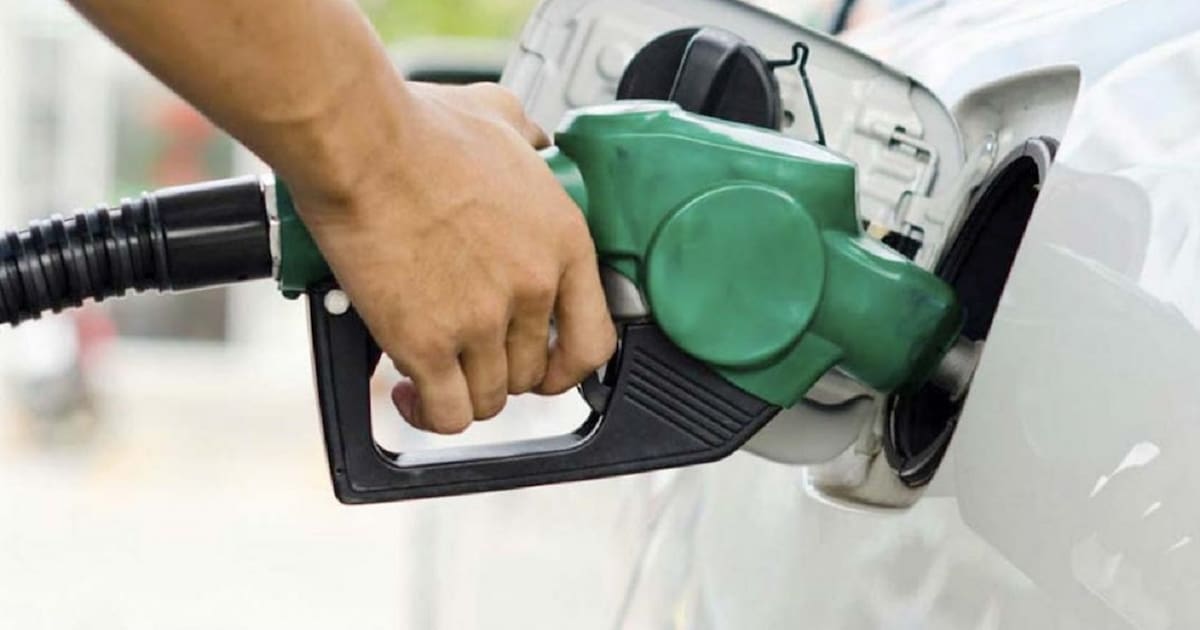
If you hear the pump click, stop refuelling immediately. Continuing to fill the tank after it has stopped automatically may damage the fuel vapour control system and result in costly repairs.
How does the automatic shut-off on the petrol pump work?
The automatic shut-off system detects when the fuel has reached the correct level in the filler neck. There is a small sensor hole near the tip of the nozzle. As petrol flows into the tank, it displaces the air and fuel vapours. When the petrol rises high enough to cover the sensor opening, the pressure inside the nozzle changes, triggering the automatic shut-off.
The distinctive click is therefore not simply a timer or an arbitrary signal. It indicates that the system has detected that the tank is sufficiently full.
What risks are involved in topping up after clicking?
Continuing to refuel after the first click may damage the fuel vapour control system. Modern cars have components designed to capture petrol vapours rather than releasing them into the atmosphere. One such component is an activated carbon canister, which stores fuel vapours so that the engine can burn them off later.
If the driver continues to pump after switching off the nozzle, liquid petrol may enter parts of the system designed to handle vapour rather than liquid fuel. In some cases, this may saturate or damage the activated carbon canister.
A problem with the evaporative emissions control system may cause the engine warning light to come on and could potentially lead to costly repairs.
Why topping up is of no benefit
At first glance, adding a few more groszy’s worth of petrol might seem like a way to make more profit from every visit to the petrol station. However, forcing extra fuel into a tank that is already full brings little benefit.
Petrol expands as the temperature rises, which means that an overfilled tank leaves less room for this expansion. Depending on the vehicle and the circumstances, excess fuel may also end up where it shouldn’t. There is also a risk of spilling petrol — in which case the fuel is simply wasted and may pose a threat to the environment.
What to do when you hear a click
The advice is simple: stop refuelling when the nozzle clicks for the first time. There is no need to keep pressing the handle just because the amount shown on the pump ends in an odd number or it seems there is room for a few more groszy’s worth of fuel. Instead, release the handle and return the nozzle to the pump.
Drivers who wish to improve their fuel economy can focus on habits that have a more significant impact, such as maintaining the correct tyre pressure, having their vehicle serviced regularly and driving efficiently.
Frequently asked questions
Is it possible to fill up with more petrol after clicking the pump? No, continuing to pump after the system has switched off automatically may damage the fuel vapour control system and result in costly repairs.
Why does the petrol pump click whilst refuelling? A click indicates that the sensor in the nozzle has detected the correct fuel level in the filler neck by registering a change in pressure when the petrol covers the sensor opening.
What happens if the tank overflows? Excess petrol may enter the fuel vapour system, which is designed only for vapours, saturate the activated carbon canister, or spill as a result of the fuel expanding when heated.
How can you really save fuel? Maintaining the correct tyre pressure, carrying out regular vehicle inspections and adopting an efficient driving style are more effective than trying to top up the fuel after the nozzle clicks.